
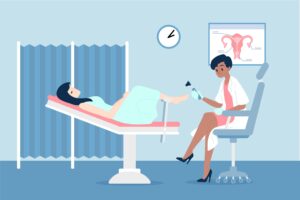
The Importance of Regular Pap Smear Tests
Cervical cancer is one of the most common cancers among women, yet it is highlypreventable and treatable when detected early. A key tool in the fight against cervical cancer is the Pap smear test, a simple and effective screening method that can save lives.
What is a Pap Smear Test?
A Pap smear test is a medical procedure used to detect abnormal cells in the cervix, the lower part of the uterus that opens into the vagina. It helps identify precancerous changes or earlystage cervical cancer, often before symptoms develop. The test involves collecting cells from the cervix, which are then examined under a microscope.
Why is it Important?
- Early Detection of Cervical Cancer: Cervical cancer develops slowly, often over several years. A Pap smear can detect abnormal cells long before they turn into cancer, allowing for timely treatment.
- Improved Survival Rates: Women diagnosed with early-stage cervical cancer have a much higher chance of successful treatment and long-term survival.
- Cost-Effective Healthcare: Early detection through Pap smears can significantly reduce the cost of treatment, which is far higher for advanced-stage cancers.

Who Should Get Tested?
- Women should start Pap smear testing at the age of 21.
- Women aged 21 to 29 should have a Pap test every three years.
- Women aged 30 to 65 should either have a Pap test every three years or opt for a Pap test combined with an HPV test every five years.
- Women over 65 may discontinue testing if they have had consistent normal results in the past and are not at high risk.
Myths and Misconceptions: Many women hesitate to undergo Pap smears due to myths and misconceptions:
- Myth 1: Pap smears are painful.
- Fact: The test may cause mild discomfort but is generally not painful.
- Myth 2: Only women with symptoms need a Pap smear.
- Fact: Pap smears are preventive and should be done even in the absence of symptoms.
- Myth 3: Pap smears are unnecessary after menopause.
- Fact: Regular screening is important until the age of 65 or as recommended by a doctor.
How to Prepare for a Pap Smear
- Schedule the test when you are not menstruating.
- Avoid intercourse, douching, or using vaginal medications 24-48 hours before the test.
- Inform your doctor about any existing health conditions or concerns.
Conclusion
Regular Pap smear tests are a cornerstone of women’s health, offering a simple yet powerful way to prevent cervical cancer. Women must prioritize their health by staying informed, addressing myths, and making regular screenings a part of their routine healthcare. Early detection saves lives—take the first step today by consulting your healthcare provider.

