

Dispelling Myths Surrounding Cervical Cancer
Cervical cancer is one of the most preventable cancers, yet myths and misinformation continue to create barriers to effective prevention and treatment. Misunderstandings about who is at risk, how it develops, and the role of vaccines and screenings can lead to unnecessary fear or neglect. This article takes a closer look at some of the most common myths surrounding cervical cancer and separates fact from fiction, empowering you with the knowledge to protect yourself and your loved ones. Let’s clear the confusion and embrace informed choices for a healthier future.
#CervicalCancerAwareness #HPVPrevention #WomenHealth #HealthEducation #CancerScreening #HPVVaccine #EarlyDetectionSavesLives #CancerPrevention #PublicHealth #EmpowerThroughKnowledge #HealthMythsDebunked
Dispelling Myths Surrounding Cervical Cancer
Cervical cancer is a significant public health issue worldwide, yet misconceptions about the disease persist. These myths can create unnecessary fear and prevent individuals from seeking proper prevention and treatment. Let’s break down some of the most common myths about cervical cancer and replace them with facts, so we can all make informed decisions about our health.

Myth 1: Cervical Cancer Only Affects Older Women
The truth: While cervical cancer is more common in older women, it can also affect younger women. The primary cause is persistent infection with high-risk types of human papillomavirus (HPV), which can occur soon after becoming sexually active. This is why preventive measures, like the HPV vaccine and regular screenings (such as Pap smears and HPV tests), are essential for women of all ages.

Myth 2: The Absence of Symptoms Means I Don’t Have Cervical Cancer
The truth: Cervical cancer often develops without any noticeable symptoms in its early stages. That’s why regular screenings are so important. Tests like the Pap smear and HPV DNA test can detect changes in cervical cells before they turn into cancer, giving doctors a chance to intervene early and effectively.
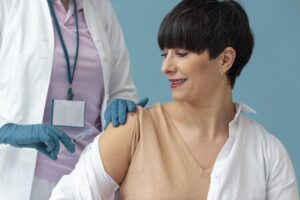
Myth 3: HPV Vaccination Is Only for Teenagers
The truth: While the HPV vaccine is most effective when given to preteens (typically between the ages of 9 and 14), it can still benefit people up to the age of 45 in some cases. The vaccine helps your immune system fight off high-risk HPV strains, significantly lowering your risk of developing cervical cancer. If you missed the vaccine as a teen, it’s worth discussing your options with a healthcare provider.
Myth 4: An HPV Infection Means I’ll Get Cervical Cancer
The truth: Most HPV infections are harmless and cleared by the body’s immune system within a year or two. However, if a high-risk HPV infection persists, it can lead to cervical cancer over time. Regular screenings ensure that any changes are caught early, so they don’t progress into something more serious.

Myth 5: Cervical Cancer Is Mostly Genetic
The truth: Cervical cancer is rarely linked to genetics. It’s primarily caused by persistent infection with high-risk HPV strains. Environmental factors and lifestyle choices, such as smoking or inadequate screening, play a much larger role. Vaccination and safe sexual practices can significantly reduce your risk.

Myth 6: Only People With Many Partners Get Cervical Cancer
The truth: HPV is highly common and can be transmitted through any sexual contact, even with one partner. Using protection, getting vaccinated, and having regular screenings are effective ways to minimize risk—no matter your relationship status.

Myth 7: A Cervical Cancer Diagnosis Means It’s the End
The truth: Thanks to advancements in medicine, cervical cancer is highly treatable, especially when detected early. Treatments like surgery, radiation, and chemotherapy have improved survival rates dramatically. Early detection through screenings saves lives, so regular checkups are crucial.
Myth 8: Pap Smears Are Only for Sexually Active People
The truth: Medical guidelines recommend starting Pap smears at age 21, whether or not you’re sexually active. While HPV is typically spread through sexual contact, it can also be transmitted in other ways. Screenings remain a vital tool for detecting abnormalities early.
Making Cervical Cancer Prevention Accessible
Breaking down these myths is a step toward better awareness and action. Everyone should feel empowered to talk about cervical cancer openly and take preventive steps without fear or stigma. Awareness campaigns, community support, and accessible healthcare services are key to improving outcomes.
Recommendations for Action
Here’s how we can all play a role in reducing the burden of cervical cancer:
- Get Vaccinated: If you or your children haven’t received the HPV vaccine, now is the time. It’s a safe and effective way to prevent the types of HPV that are most likely to cause cancer. For parents, talk to your child’s doctor about getting them vaccinated at the recommended age (9-14 years).
- Go for Regular Screenings: Pap smears and HPV tests are lifesaving tools. Follow your healthcare provider’s guidelines for how often you should get screened. If you’re unsure, ask your doctor to help you create a schedule.
- Share What You Know: Many people avoid screenings or vaccinations because they don’t have the right information. Talk to your friends and family about what you’ve learned and encourage them to take action, too.
- Adopt Healthy Habits: Smoking and a weakened immune system can increase the risk of cervical cancer. Quitting smoking, eating a healthy diet, and practicing safe sex are all ways to protect yourself.
By combining scientific knowledge with community action, we can create a future where cervical cancer is no longer a leading cause of death. Let’s work together to prioritize prevention, education, and early detection.

