

The Hidden Dangers of Alcohol: Understanding the Cancer Risks
A recent report from US Surgeon General Dr. Vivek Murthy has raised a critical alarm about the dangers of alcohol consumption, urging us to confront a harsh reality: even small amounts of alcohol can increase the risk of cancer. Although alcohol is widely accepted in social and cultural contexts, its potential harm, especially when it comes to cancer, is often overlooked. Dr. Murthy’s findings challenge the common belief that moderate drinking is harmless, urging us all to rethink our habits and raise awareness about the carcinogenic risks alcohol poses.

Alcohol’s Alarming Link to Cancer
Dr. Murthy’s report highlights the undeniable connection between alcohol and several types of cancer, including those of the mouth, throat, oesophagus, liver, colon, rectum, and breast. The culprit behind this danger is acetaldehyde, a toxic chemical produced when alcohol is broken down in the body. This chemical can damage DNA and disrupt the body’s ability to repair itself, increasing the likelihood of cancer over time.
What’s particularly alarming is that even moderate drinking, like an occasional glass of wine or beercan elevate cancer risk. This challenges the widely held belief, especially in countries like India, that moderate alcohol consumption, such as two pegs, is good for health. The World Health Organization (WHO) has reinforced this by stating, “There is no safe limit for alcohol consumption that does not affect your health adversely.” This directly refutes the notion that alcohol in moderation is harmless and underscores the importance of awareness.

No Safe Level of Alcohol Consumption
A crucial point raised by Dr. Murthy is that there is no “safe” level of alcohol consumption when it comes to cancer prevention. Many people mistakenly believe that moderate drinking is either safe or even beneficial for health, but the truth is far more concerning. Even small amounts of alcohol can increase the risk of developing life-threatening conditions, making it clear that there is no threshold where alcohol consumption is completely risk-free. Just like tobacco products, alcohol should be recognized as a serious health threat, not something to be consumed casually without considering the risks.
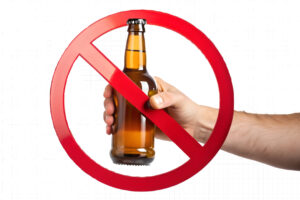
The Need for Warning Labels
Dr. Murthy’s report advocates for alcoholic beverages to carry warning labels, much like tobacco products do. These labels would inform consumers about the cancer risks associated with alcohol, helping to raise awareness and encourage healthier choices. Public health experts believe that such clear labelling could lead to stronger prevention strategies, guiding people to make more informed decisions about their drinking habits.
In many cultures, alcohol is deeply ingrained, often regarded as a social norm or even a symbol of celebration. However, this cultural acceptance should not blind us to the very real dangers alcohol presents to our health. If tobacco products can carry explicit warnings about cancer risks, then alcohol should do the same. Educating people about alcohol’s risks is a critical step toward reducing alcohol-related cancers and empowering individuals to take charge of their health.
A Call to Action
The message is clear: Alcohol, even in moderate amounts, can silently contribute to cancer. It’s time for all of us: individuals, policymakers, and public health advocates, to take this issue seriously and push for changes that protect public health. Dr. Murthy’s report is a call to action, urging us to acknowledge that even low levels of alcohol consumption come with cancer risks.
Let’s rally behind efforts to implement warning labels on alcohol bottles and support public health campaigns that highlight the dangers of alcohol. With better education and greater awareness, individuals will be empowered to reconsider their drinking habits and make more informed choices. The fight against cancer is a collective effort, and raising awareness about alcohol’s risks is a key step in prevention. Your health matters—let’s stand together to protect it.

